

Cancer: Unimore helps uncover mechanism that protects immune cells exploited by tumours
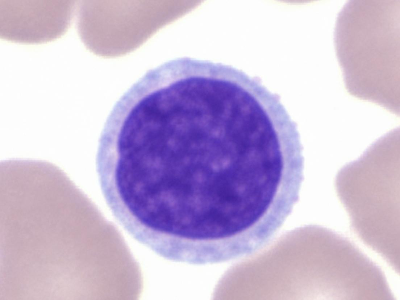
Understanding the mechanisms through which tumours manage to neutralise the body's immune defences
is one of the major challenges in cancer research. An important contribution to this field comes from a
study published in Nature Communications, involving Professor Andrea Cossarizza and researcher
Domenico Lo Tartaro from the University of Modena and Reggio Emilia (Unimore), alongside research
groups from the Universities of Heraklion and Athens and Purdue University (West Lafayette, USA).
The study has identified the Notch-Rbpj molecular signalling pathway as the mechanism that protects
regulatory T cells (Tregs) from functional exhaustion, enabling them to maintain their
immunosuppressive activity even within the tumour microenvironment.
These cells, whose normal role is
to prevent excessive immune responses and protect the body against autoimmune diseases, can become
allies of the disease within the tumour microenvironment: they suppress the activity of cytotoxic
lymphocytes, which would otherwise recognise and eliminate cancer cells.
In an environment deprived of oxygen and nutrients, anti-tumour lymphocytes progressively lose their
effectiveness, whereas Tregs manage to maintain their function. To understand the reasons behind this
difference, the researchers selectively deleted the Rbpj gene in Tregs, observing a reduction in tumour
growth in mice. In the absence of this gene, the cells develop characteristics of functional exhaustion,
accompanied by increased expression of the PD-1 receptor. A further experiment showed that when PD-1
was also deleted, Tregs regained their activity and once again promoted tumour growth, confirming the
crucial role played by this mechanism.
The research team also tested a small molecule capable of pharmacologically inhibiting Rbpj, achieving a
reduction in tumour growth through this approach as well. This is a particularly significant finding, as it
points to the possibility of targeting a molecular mechanism that could potentially be exploited in the
development of new therapeutic strategies.
The discovery suggests an approach that could complement currently available immunotherapies. While
anti-PD-1 drugs aim to reactivate the lymphocytes that attack tumours, inhibiting the Notch-Rbpj pathway
seeks to weaken the regulatory T cells that protect the disease, making them less capable of suppressing
the immune response. This raises the prospect of combining the two strategies to improve the
effectiveness of treatments aimed at preventing tumour growth.
Further studies will be needed to assess the safety of this approach and determine whether inhibiting Tregs
might also compromise their natural role in protecting the body against autoimmune diseases.
Nevertheless, these findings represent an important step forward in understanding the mechanisms of
tumour immune evasion and identifying potential new therapeutic targets.
Categorie: International - english, Notizie_eng
Articolo pubblicato da: Ufficio Stampa Unimore - ufficiostampa@unimore.it il 10/11/2026