

New Mechanism Regulating Inflammatory Cell Death Discovered
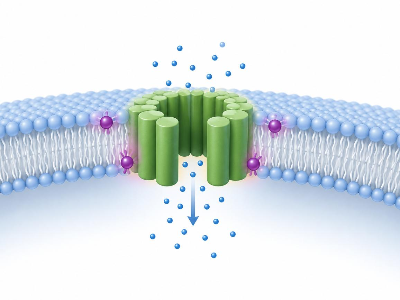
A study coordinated by Dr Katia Cosentino from the University of Modena and Reggio Emilia has marked a major step forward in understanding how our bodies eliminate infected or damaged cells and activate the immune response. For the first time, researchers have succeeded in directly observing tiny pores formed by the Gasdermin D protein on cell membranes—a breakthrough that opens up new avenues for the development of therapies against cancer, infectious diseases, and numerous inflammatory disorders.
The study, published in the prestigious international journal Science Advances, describes an important advancement in the understanding of pyroptosis: a specific form of inflammatory cell death essential for immune response, and increasingly recognised as a key process in cancer biology and response to anti-tumour therapies. The study was coordinated by Dr Katia Cosentino, lecturer in the Department of Biomedical, Metabolic and Neural Sciences at the University of Modena and Reggio Emilia, and was carried out during her research work at Osnabrück University (Germany), supported by an extensive international collaborative network.
To overcome a limitation that for years had prevented the direct observation of these pores in cells, the research team developed an entirely new technique named Polymer-Supported Plasma Membranes (PSPMs). By combining this technology with super-resolution microscopy, the researchers managed to capture images of Gasdermin D pores directly on human and murine cell membranes for the first time, achieving a resolution of just a few nanometres. Furthermore, the study demonstrated that these pores are not all identical; rather, they exhibit varying shapes and sizes and are stabilised by a specific cell membrane lipid, PI(3,4,5)P₃. This identifies a new mechanism for regulating pyroptosis and paves the way for the pharmacological control of inflammation.
Pyroptosis plays a vital role in human health. On the one hand, it allows the rapid elimination of infected or damaged cells and triggers immune defences; on the other hand, if not properly controlled, it can contribute to the development of chronic inflammatory and autoimmune diseases. Growing evidence also indicates that this process influences tumour progression and response to immunotherapies. Understanding in detail how Gasdermin D pores form and are regulated therefore represents an important step towards future therapeutic strategies capable of modulating pyroptosis in cancer and various other pathologies.
“For many years, we have studied gasdermins without being able to directly observe the structures they form during pyroptosis,” explains Dr Katia Cosentino. “Thanks to this new platform, we have managed to visualize these pores in their natural environment and better understand their formation and regulation processes. This work expands our knowledge of the mechanisms controlling the inflammatory response and provides new foundations for developing therapeutic strategies aimed at modulating pyroptosis in cancer and other conditions characterized by uncontrolled inflammation.”
The study is the result of an international collaboration coordinated by Dr Cosentino at Osnabrück University in Germany, involving researchers from the Max Planck Institute of Biophysics in Frankfurt, the Ludwig Maximilian University of Munich, the University of Cambridge, and the Leibniz Institute of Photonic Technology in Jena. Dr Cosentino, corresponding author of the study, is currently pursuing this line of research at Unimore, where her group investigates the role of gasdermins and cell death mechanisms in inflammation and cancer.
Categorie: Notizie_eng, International - english
Articolo pubblicato da: Ufficio Stampa Unimore - ufficiostampa@unimore.it il 21/07/2026